

None of Us Are Free Until the Most Vulnerable Are Free
As I sit with everything happening right now - especially the fear and uncertainty many families are living with in light of increased ICE activity - it feels important to share this.
These are heavy realities, and they’re landing very differently depending on where you stand. But for many people, this moment isn’t abstract or political. It’s about whether it’s safe to go to work, to take your kids to school, to drive home at the end of the day. It’s about wondering if a routine stop, a knock at the door, or a normal morning could lead to separation, detention, or a life suddenly torn apart.
For many families, safety is no longer guaranteed.
I wake up each day in a life that feels stable and safe. I’m deeply grateful for that. And I’m also increasingly aware that my experience is not the norm, and right now, that gap is painfully visible.
There’s a version of freedom our culture celebrates: personal success, individual choice, comfort, and security. We’re taught that freedom means independence. That if we work hard enough and protect what’s ours, we’ll be okay. Safety becomes something we expect.
For most of my life, I didn’t question that. And I know many of us don’t, and not because we’re careless or cruel, but because this has always been the air we breathe, the message we inherit from day one, especially in this country.
Moments like this week have a way of interrupting that comfort. They’ve reminded me how grateful I am for the people in my life who love me enough not to let me stay inside my own assumptions, but who keep inviting me into conversations that challenge my understanding of safety, freedom, and belonging.
I think about the taxi driver who once told me his only goal was to feed his family and send his daughter to college.
I think about a mom friend who lost her son to gun violence and now tries, every day, to turn her grief into purpose by honoring his life and supporting others who carry the same kind of loss.
I think about the teenager who needed a few dollars for bus fare just to keep chasing the dream of being the first in their family to graduate high school.
They’ve become some of my greatest teachers. Their lives have taught me about resilience, courage, and the importance of staying curious and of never assuming I understand someone else’s story from the outside.
The more I stay curious (TRULY curious) the more I find myself asking a harder question:
What kind of freedom do we have if it only exists for people with access, protection, and certainty, while others live with constant fear of being seen, stopped, or taken?
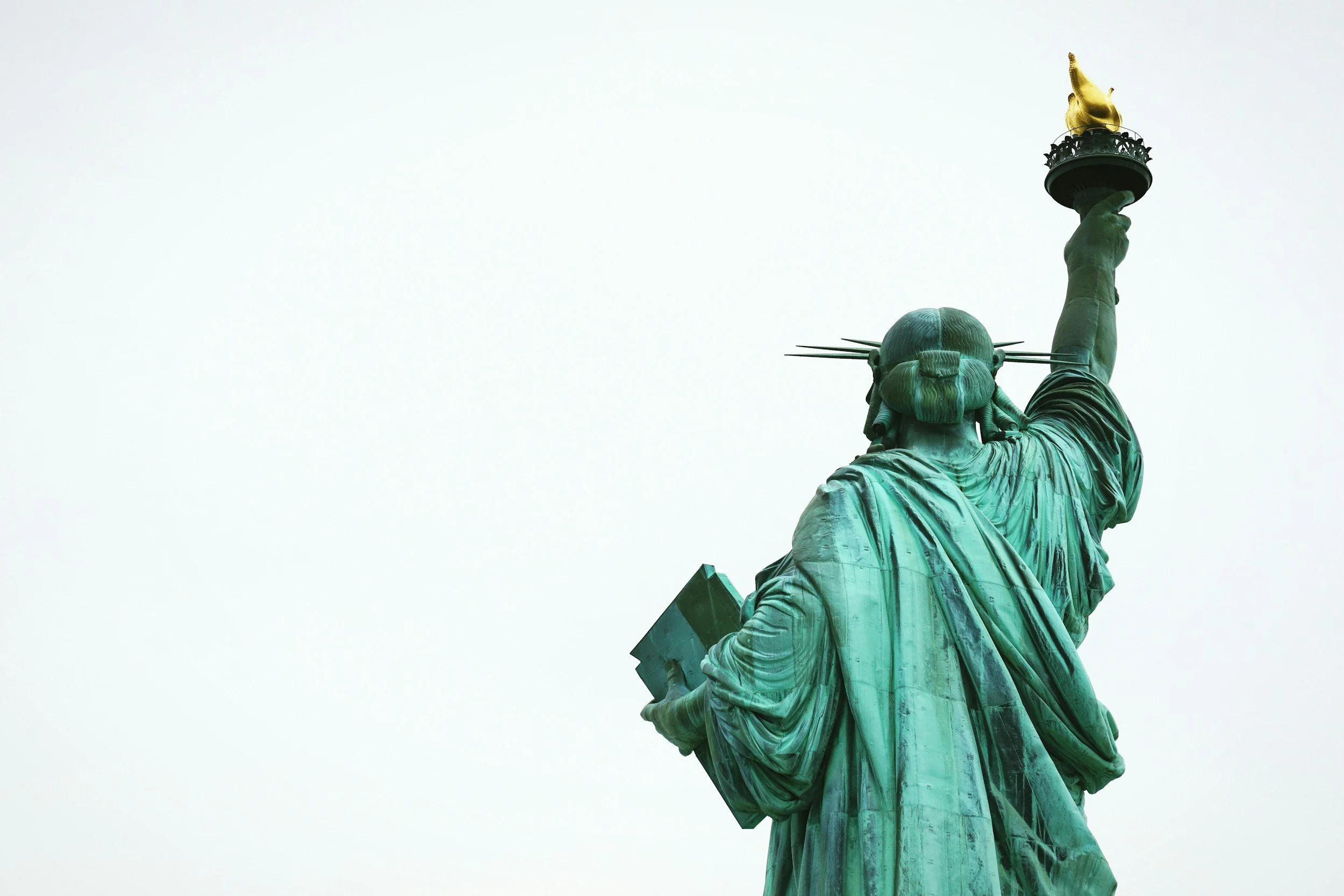
Many of us benefit from systems that depend on someone else living with less safety and fewer choices. We’re seeing that clearly right now.
Think about who those systems lean on:
Children growing up in structures never designed with their safety in mind.
Parents making impossible choices while carrying constant fear.
Elders choosing between medication and food.
People navigating illness, addiction, displacement, poverty, or violence with little support.
Entire communities carrying generations of instability while others move through the world largely untouched by it.
When the most vulnerable among us are still unsafe, the freedom many of us feel is really just comfort - and that comfort costs us something. It dulls our awareness, narrows our compassion, and keeps us from fully understanding the world we’re part of.
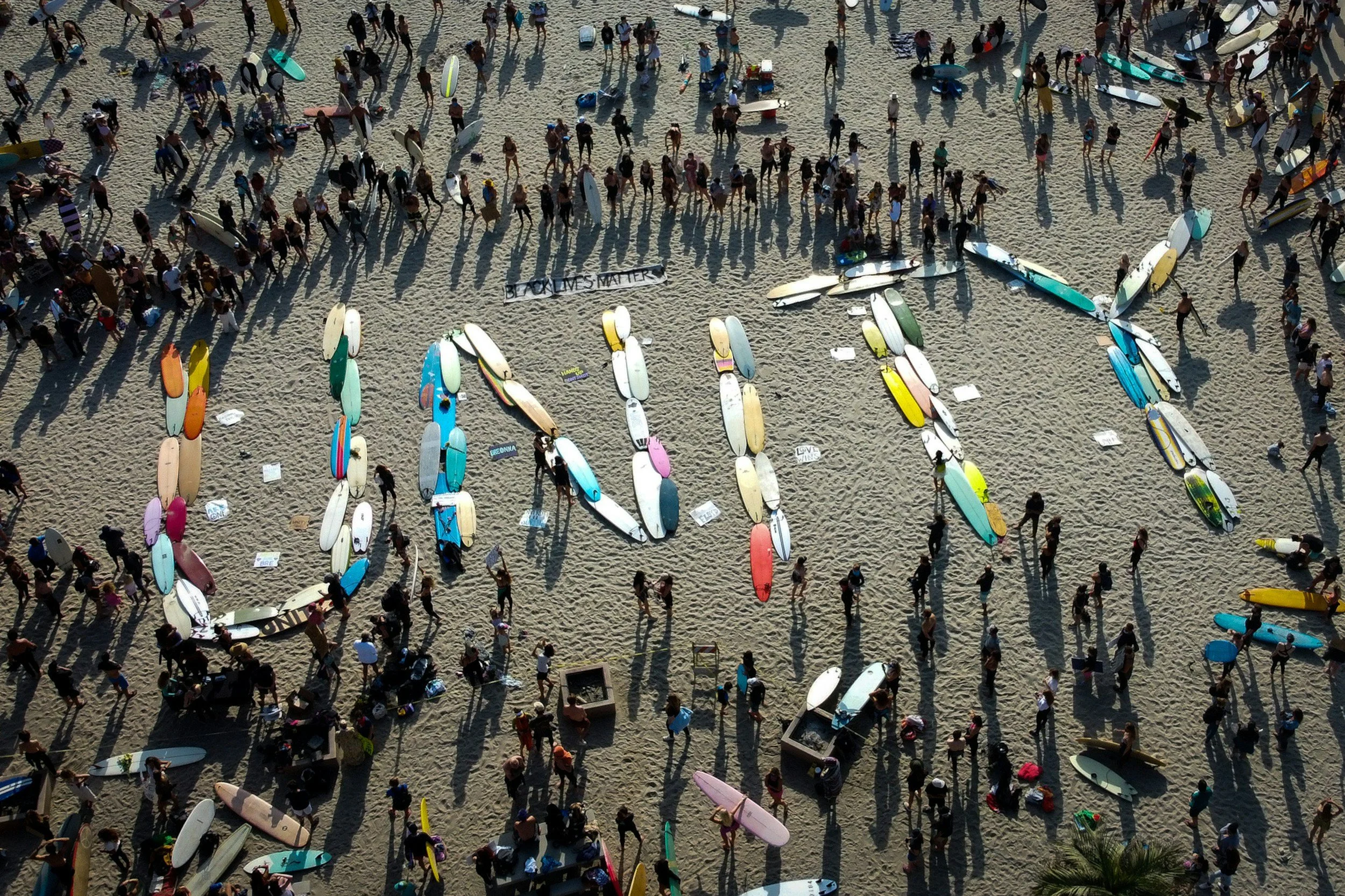
I’m grateful for the people and communities in my life who keep widening my view. Their stories have reshaped what I understand freedom to be - not something we secure for ourselves alone, but something we’re responsible for holding together.
Because if my peace depends on someone else’s fear, it isn’t peace.
And if my security depends on someone else’s vulnerability, it isn’t security.
The real question isn’t, “Am I free?”
It’s, “Who isn’t…and what does that mean for all of us? What does it mean to live as if their freedom actually matters to mine?”
I don’t have this figured out. I’m still learning how to listen without defensiveness, how to show up without trying to fix or save, and how not to let fear (or comfort) harden my heart.
But I do know this: freedom doesn’t work if it only works for some of us.
And maybe the work, right now, isn’t about having the right answers but more about staying awake and refusing to look away when comfort is interrupted. Maybe it’s only when the most vulnerable among us can finally live with dignity, safety, and real possibility that any of us will be able to say - truthfully - that we are free.