

Remembering Our Belonging
I feel deeply grateful for opportunities to enter spaces where I can simply listen and learn. To sit among people whose experiences and wisdom reach far beyond my own is a privilege. Some of the most freeing moments of my life have happened in circles like that—where I’m taught something I didn’t even know I didn’t know.
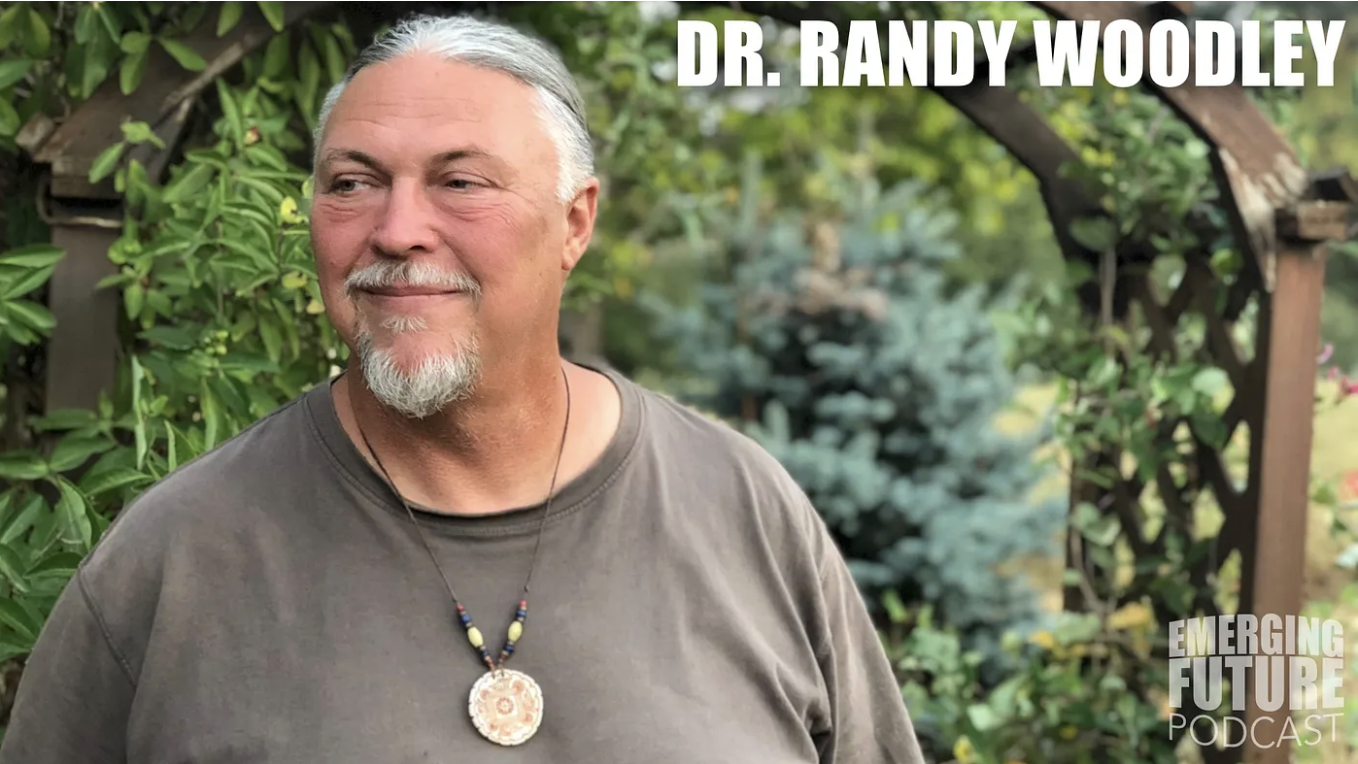
A few weeks ago, I attended an interfaith conference and joined a breakout session that brought a powerful conversation into the room, one that has profoundly impacted my understanding of myself. One of the pastors leading was Rev. Dr. Randy Woodley, an Indigenous scholar and theologian, who shared his teachings and posed a question that has stayed with me since:
What happened that brought white Western people to a place where violence could be justified in the name of progress - even faith?
I’ve heard that question before, but this time it struck me differently. Maybe I was missing something. Maybe I had been looking in the wrong places for the answers. Perhaps I needed to hold the mirror up to my own unexamined beliefs a little longer.
There are many theories and explanations for why the West is the way it is. The piece of Randy’s research that I had not heard before was his tracing this mindset back to early Western philosophers - to when thinkers like Aristotle and Plato began separating the world into parts: mind from body, heaven from earth, human from nature. Later, Descartes took that separation even further, claiming he could doubt the existence of his own body (but not his mind).
That, Randy said, was the beginning of the split.
It was the moment when human beings began to remove themselves from nature, and eventually, from one another.
When spirit was divided from matter, intellect from intuition, and human life from the land that sustains it, something else took root: hierarchy. We began ranking creation instead of revering it - humans over animals, men over women, white over nonwhite, Christian over Indigenous.
And from that separation came an arrogance that still echoes through our systems today.
As Randy spoke, I could feel something stirring inside me. His words made one thing unmistakably clear: this isn’t just ancient philosophy. It’s the story we’ve inherited. Sitting in that circle, I knew I had to hold up a mirror. For someone who takes pride in doing “the work” and deeply desires to see what I don’t, this realization was new - and it was humbling.
I began to notice all the subtle ways I’ve lived from that same separation - from my body, from the earth beneath my feet, from the people whose stories stretch far beyond my own.
It became clearer to me why, when we forget that we’re part of nature, not above it, domination starts to make sense. When we see the divine as distant instead of present, control replaces reverence. And when we separate our liberation from someone else’s, violence begins to look like order.
This separation has cost us all more than we realize.
We were never meant to live divided.
Not from the world around us.
Not from one another.
Not from ourselves.
That’s the invitation I left with - to notice where separation still lingers within us, and to start challenging the systems that taught us to stand apart: where we’ve built hierarchies in our communities and in our hearts, and where we’ve mistaken control for care.
Perhaps liberation - for all of us - begins with the courage to look inward first. To understand the work that’s ours to do, and to remember that healing the world begins with remembering that we belong to it.